
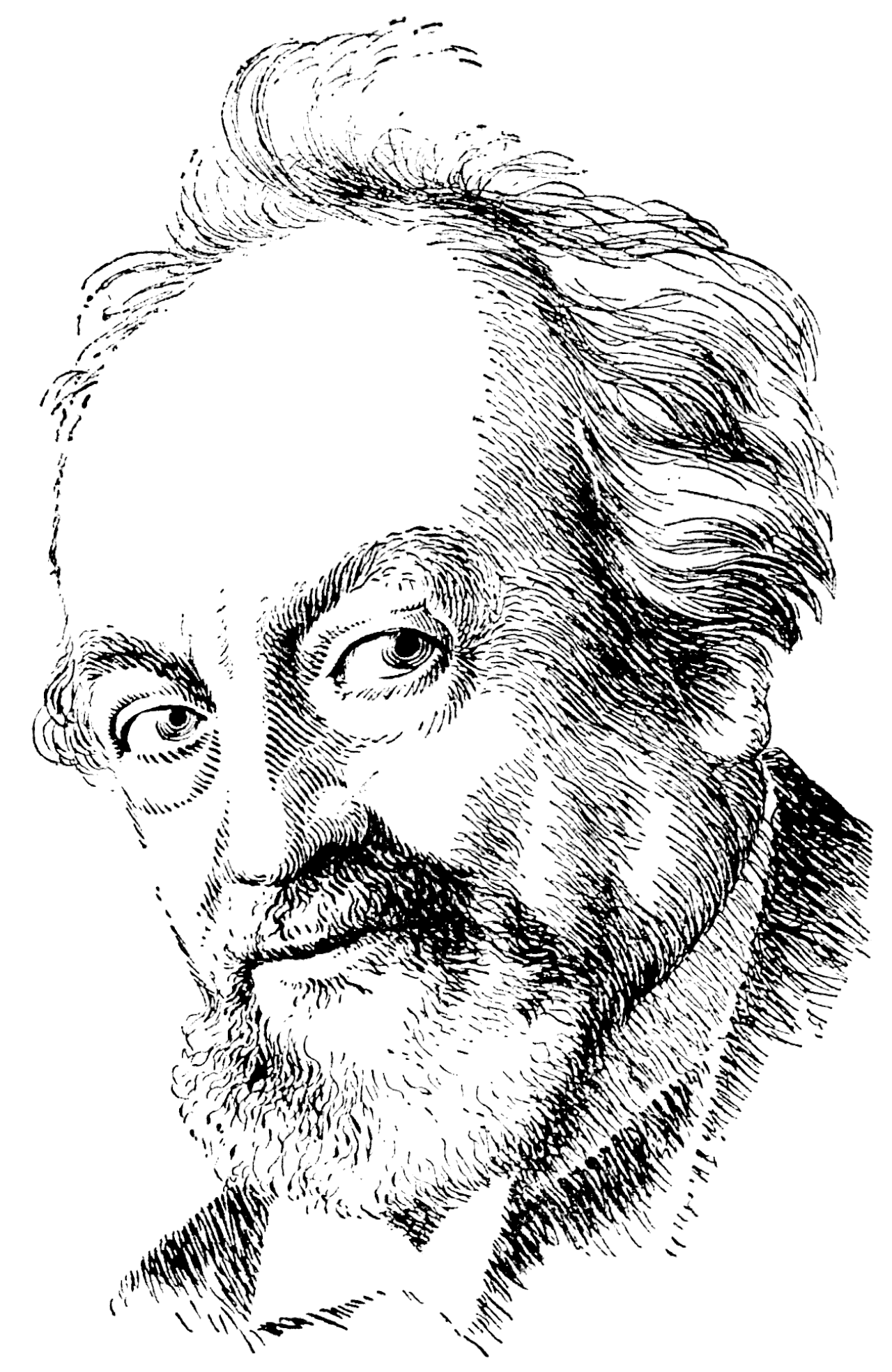
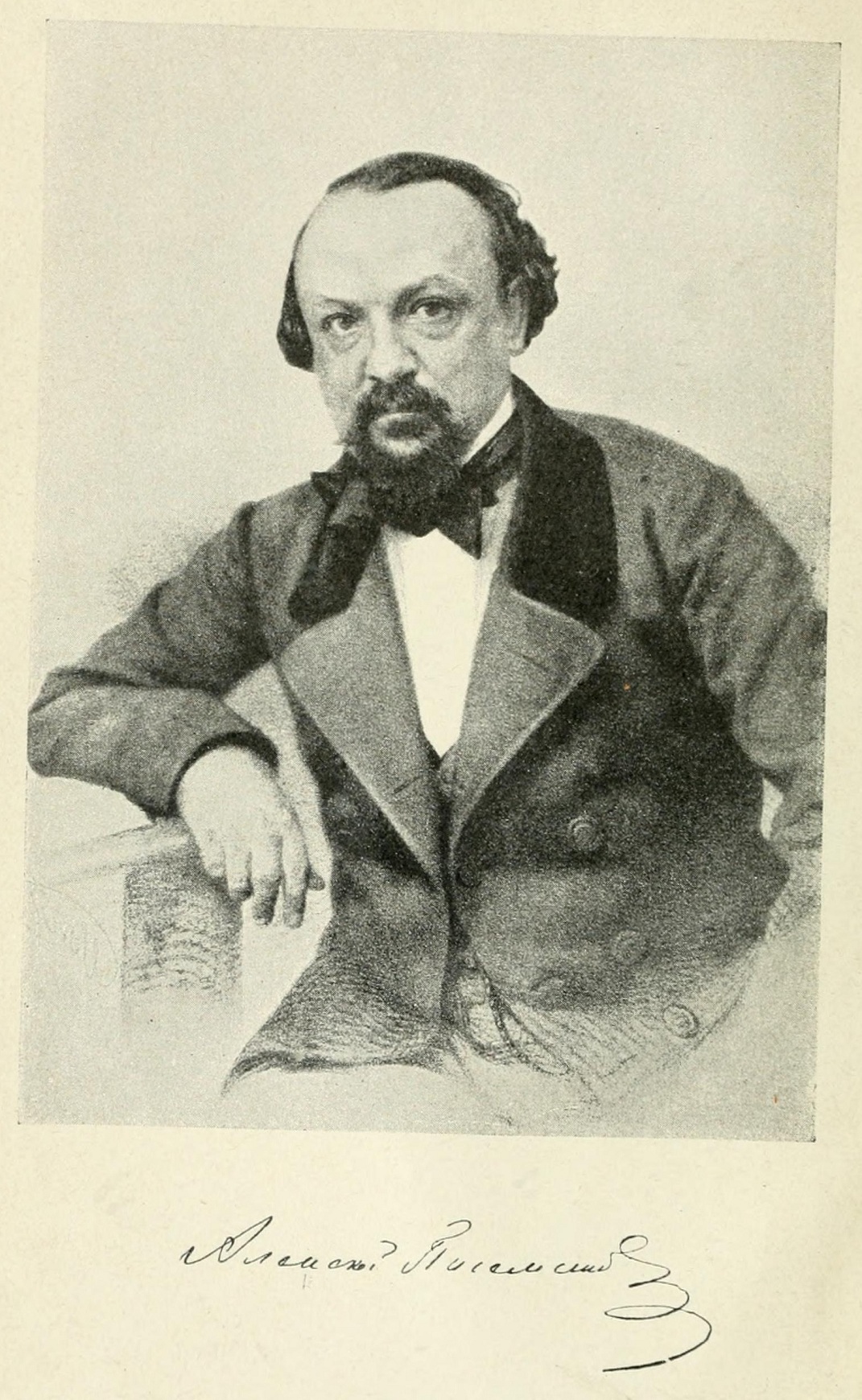
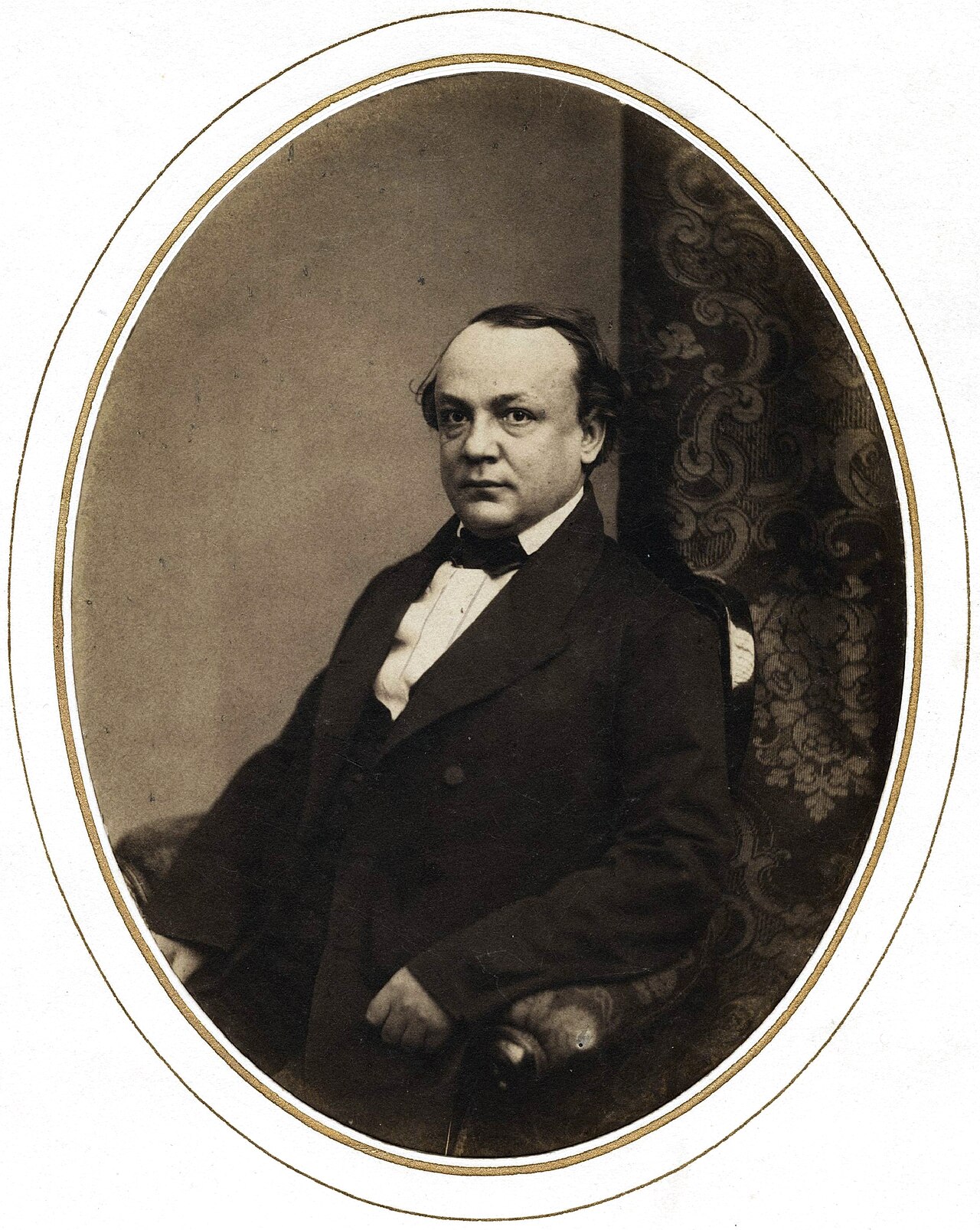
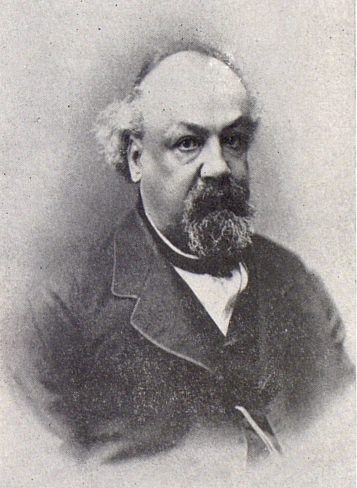
Aleksey Pisemsky
Russian novelist and dramatist of realistic ordinary life.

Sergey Lvovich Levitsky · Public domain
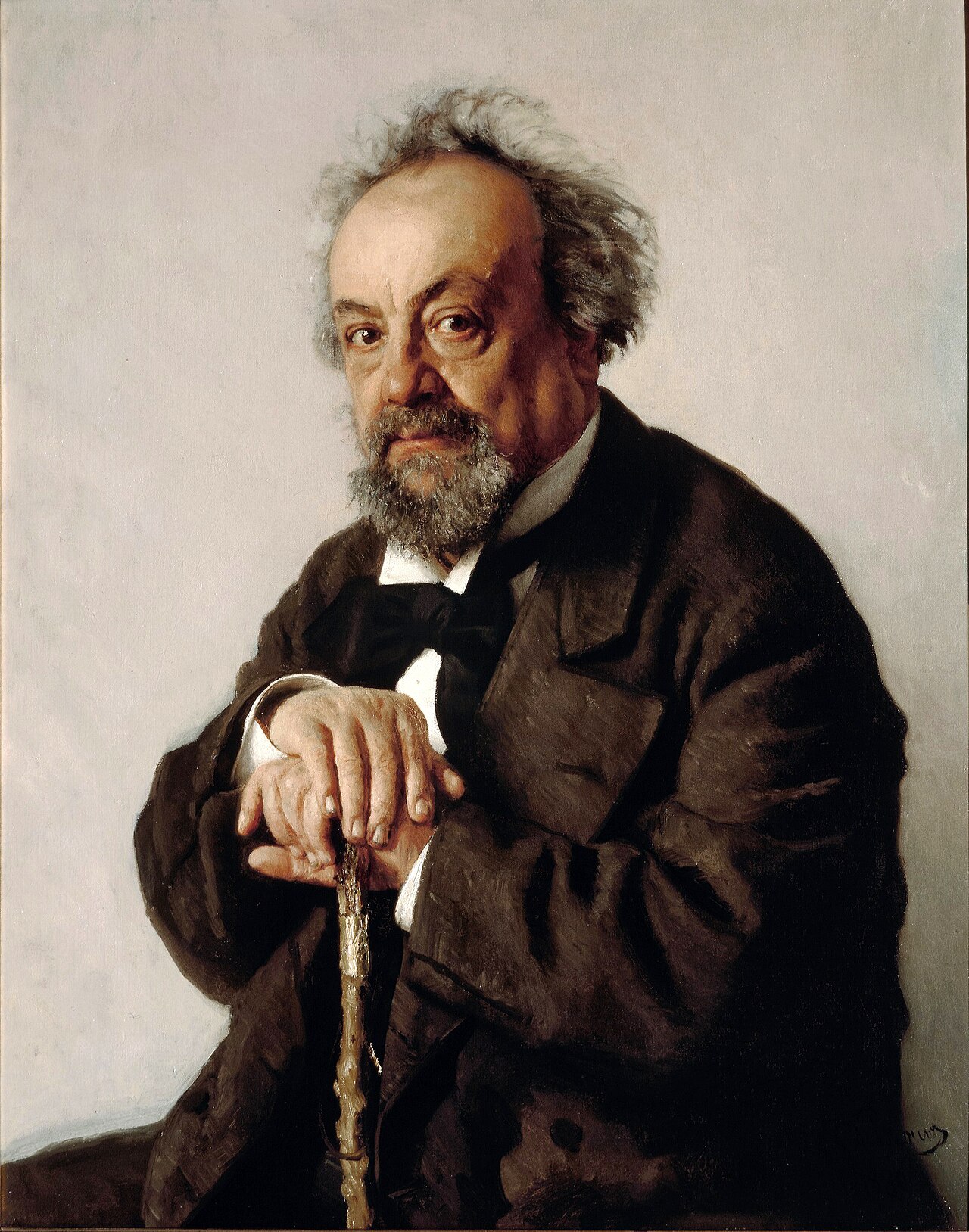
Aleksey Feofilaktovich Pisemsky was a Russian novelist and dramatist regarded as an equal of Ivan Turgenev and Fyodor Dostoyevsky in the late 1850s. His reputation suffered a spectacular decline after his fall-out with Sovremennik magazine in the early 1860s. Along with Aleksandr Ostrovsky, he was a key figure in bringing realistic depictions of ordinary people to the Russian stage, though earlier playwrights like Gogol and Fonvizin had also featured such characters.
- died
- 21 January [O.S. 9 January] 1881
Lore & Background
Aleksey Pisemsky was born at his father's Ramenye estate in the Chukhloma province of Kostroma to retired colonel Feofilakt Gavrilovich Pisemsky and Yevdokiya Shipova. He described his family as ancient nobility, though his immediate progenitors were poor and illiterate. He was the only surviving child, though the exact number of infant siblings is not reliably documented. He spent his first ten years at the Ramenye estate, then moved to Vetluga, where his father served as Mayor, before later moving to the countryside. His early education was scant, provided by a local deacon, a defrocked drunkard, and a wandering tutor; he learned reading, writing, arithmetic, Russian, Latin, French, and German. He read widely, including Walter Scott, Don Quixote, and Gil Blas, and found a natural predisposition to mathematics, logic, and aesthetics.
In 1834, at age 14, his father enrolled him in the Kostroma gymnasium. There he gained popularity as an amateur actor, inspired by an opera performed by a wandering troupe. He organized a home theater and achieved success in his first role. He began writing in school, producing early works that were rejected by journals. In 1840, he joined the Faculty of Mathematics at Moscow State University, overcoming his father's resistance. He attended lectures from other faculties, becoming acquainted with Shakespeare, Schiller, Goethe, and others, and was influenced by Belinsky and Gogol. By 1844 he was known as a gifted reciter, especially of Gogol's works, and performed as Podkolyosin in Gogol's Marriage in a small private theater.
Reader's Guide
Pisemsky's significance lies in his pioneering role in Russian realistic theatre and fiction. Along with Aleksandr Ostrovsky, he was the first to dramatize ordinary people on the Russian stage. His play A Bitter Fate (1859) has been called the first Russian realistic tragedy and won the Uvarov Prize of the Russian Academy. His novel One Thousand Souls (1858) is considered his best work, and Troubled Seas depicts Russian society around 1862. His first novel Boyarschina (written 1847, published 1858) was originally forbidden for its unflattering description of the nobility. According to critic D.S. Mirsky, 'Pisemsky's great narrative gift and exceptionally strong grip on reality make him one of the best Russian novelists.' His reputation, once equal to Turgenev and Dostoyevsky, declined after his break with Sovremennik magazine in the early 1860s. His works provide a stark, realistic portrayal of Russian life, particularly the peasantry and nobility, and his legacy endures in the history of Russian literature and theatre.
Did You Know?
- Pisemsky's first novel Boyarschina was originally forbidden for its unflattering description of the Russian nobility.
- His play A Bitter Fate won the Uvarov Prize of the Russian Academy.
- He was an amateur actor who performed as Podkolyosin in Gogol's Marriage.
Literary Output and Critical Standing
Pisemsky produced a body of novels that critics have placed among the finest in Russian literature. D.S. Mirsky singled out his great narrative gift and exceptionally strong grip on reality as hallmarks that set him apart from his peers. His principal works include The Simpleton (1850), One Thousand Souls (1858), widely regarded as his finest novel, and Troubled Seas, which captures the fermenting tensions of Russian society around 1862. His earliest novel, Boyarschina, written in 1847 but not published until 1858, was initially banned because of its unsparing portrait of the Russian aristocracy. In the late 1850s, contemporaries placed Pisemsky on the same level as Turgenev and Dostoyevsky, a testament to the power and breadth of his storytelling. Yet this standing proved fragile. A rupture with the influential Sovremennik magazine in the early 1860s triggered what observers described as a spectacular collapse of his public reputation, leaving a writer once celebrated at the pinnacle of Russian letters to fade steadily from critical favor.
Pioneering Realistic Drama
Alongside Aleksandr Ostrovsky, Pisemsky is credited with a landmark achievement in Russian theatre: the first sustained dramatization of ordinary, non-aristocratic lives. His play A Bitter Fate (1859), also known in translation as A Hard Lot, turned its gaze toward the harsher realities of peasant existence and was subsequently labeled the first Russian realistic tragedy. The work earned the prestigious Uvarov Prize from the Russian Academy, a recognition that underscored how radical his approach was for the theatrical landscape of the era. Rather than reaching for the grandeur of court intrigue or heroic legend, Pisemsky drew on the textures of common life—its cruelties, its small dignities, its inescapable constraints—to build drama that felt immediate and true. This commitment to the realistic mode, combined with a novelist's instinct for psychological depth, gave his stage works a quality that distinguished them from the more stylized traditions that had previously dominated Russian performance. His dramatic legacy thus rests not on a single masterpiece but on the principle he helped establish: that the lives of ordinary people were worthy of the stage.
Family Roots and a Self-Made Education
Pisemsky was born in 1821 at the Ramenye estate in Kostroma province, the sole surviving child of a retired army colonel and his wife. His family traced its lineage to ancient Russian nobility—one ancestor had been dispatched by Ivan the Terrible to London, another was canonized as a saint—yet the particular branch from which he descended had fallen into destitution. His grandfather was illiterate, walked in lapti, and ploughed the fields himself. His father, Feofilakt, had been plucked from that poverty at fourteen, taught to read, and sent off to serve thirty years in the regular army before settling in Kostroma and marrying. The boy grew up in the small town of Vetluga, where his father served as mayor, and later in the countryside. His formal schooling was patchy: a local deacon, a defrocked drunkard, and a wandering old man served as his tutors. Yet his true education came from books. By fourteen he had devoured Walter Scott, Don Quixote, Gil Blas, and a host of other works in translation, describing reading as his singular passion while dismissing children's literature as very silly.
The Aesthetic Awakening and a Fractured Trajectory
A pivotal moment in Pisemsky's development arrived during his gymnasium years in Kostroma, when a wandering troupe performed Ferdinand Kauer's opera The Dnieper Mermaid. Inspired, he and a roommate mounted a home theater, and his first role—Prudius in Prince Shakhovskoy's The Cossack Poet—was a triumph that left a lasting mark. He later described adopting an aesthetic way of life from that experience, a disposition shaped in no small part by his uncle Vsevolod Bartenev, a Navy officer who supplied him with the latest novels and journals, and by his cousin Yury Bartenev, a prominent Freemason. Both men exerted a formative influence on the young man's literary sensibility. This early immersion in both performance and reading set the trajectory for a career that would see him hailed in the late 1850s as a peer of Turgenev and Dostoyevsky. Yet the very forces that elevated him—his unflinching realism, his willingness to portray the nobility and peasantry without flattery—also made him vulnerable. The banning of Boyarschina for its critical portrait of the aristocracy foreshadowed the institutional pressures that would culminate in his bitter break with Sovremennik and the rapid erosion of his once-secure reputation.
Gallery
Frequently Asked Questions
Who is Aleksey Pisemsky?
Aleksey Feofilaktovich Pisemsky was a Russian novelist and dramatist whose work centered on the everyday lives of ordinary people. In the late 1850s, critics placed him on the same level as Turgenev and Dostoyevsky, though his later years saw his standing fade considerably.
What made Pisemsky's writing distinctive?
His novels and plays focused on realistic, unglamorous portrayals of common folk rather than aristocratic or heroic figures. This grounded, democratic approach to character and setting set his work apart from much of the more elevated literature of his era.
Why did Pisemsky's reputation decline in the 1860s?
A bitter public falling-out with the influential Sovremennik magazine in the early 1860s alienated him from the literary establishment that had championed him. Once that institutional support evaporated, his critical standing never fully recovered.
What is Pisemsky's role in Russian theater history?
Together with Aleksandr Ostrovsky, Pisemsky is credited with establishing the realistic stage portrayal of ordinary Russian life as a major dramatic tradition. While earlier writers such as Gogol and Fonvizin had included common characters, Pisemsky and Ostrovsky made such figures the sustained center of the play.
When and where did Aleksey Pisemsky die?
Pisemsky died on 21 January 1881 (9 January Old Style). He passed away in his late fifties, roughly two decades after his peak of critical acclaim had already begun to wane.
More in Russian And Soviet Writers 1-22
Spotted an error? Know more?
This is a living reference — every entry is fact-audited, and reader corrections feed straight into our audit queue. Suggest an edit · See this site's audit record