
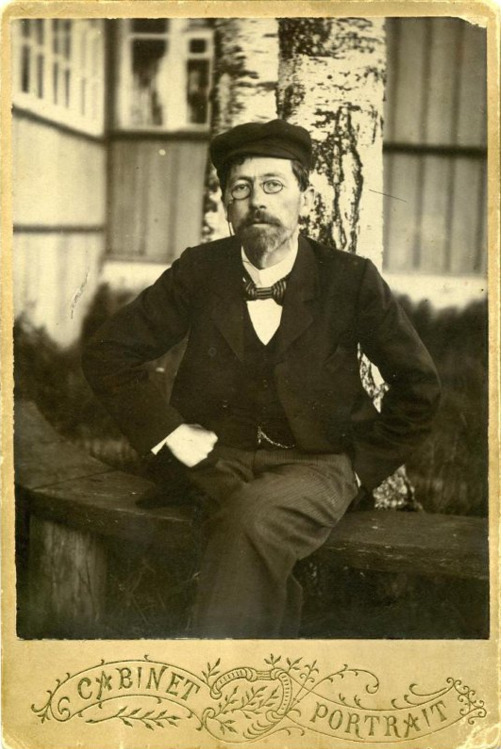
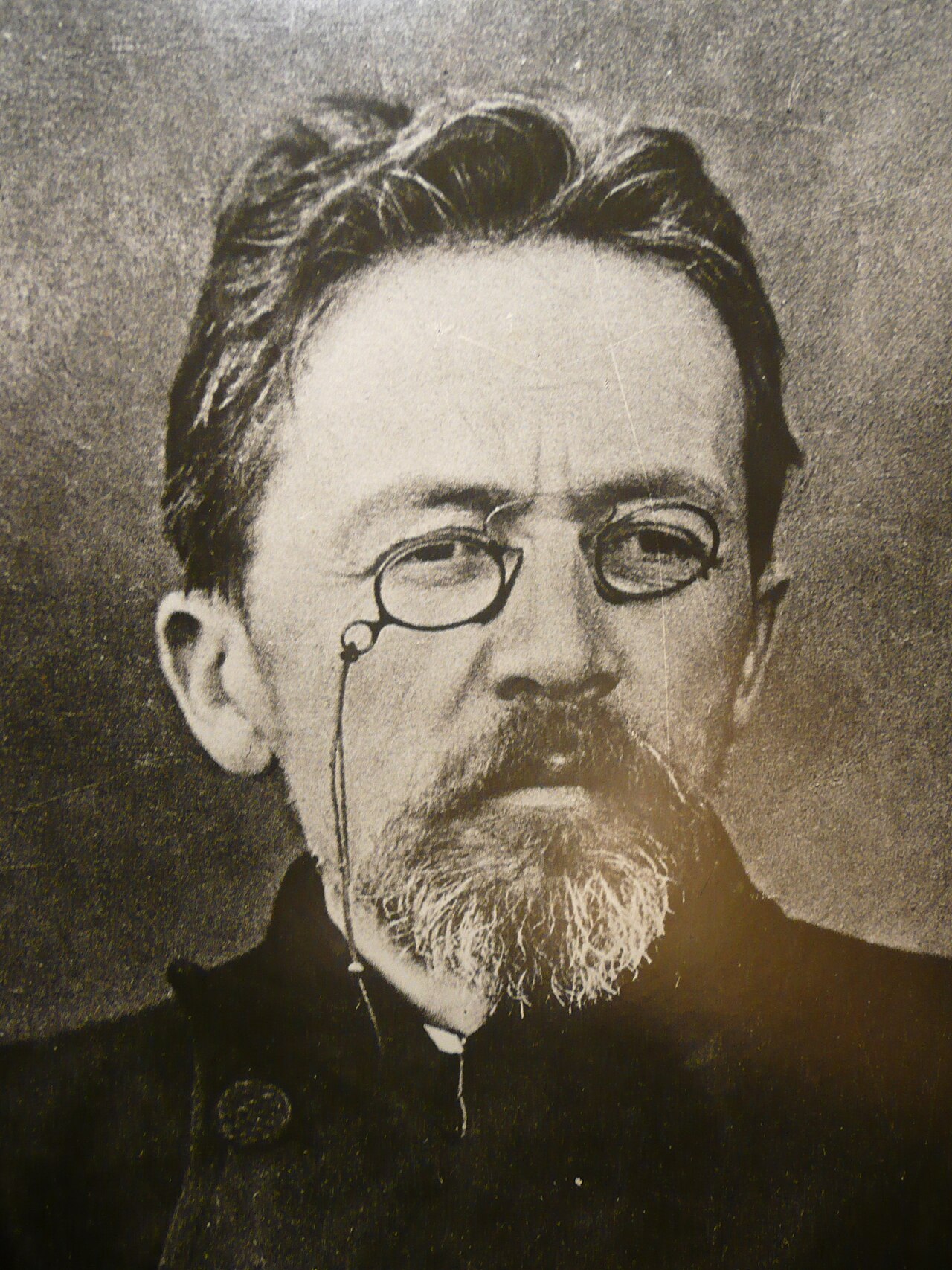
Anton Chekhov
Russian playwright and short story writer, physician by profession.

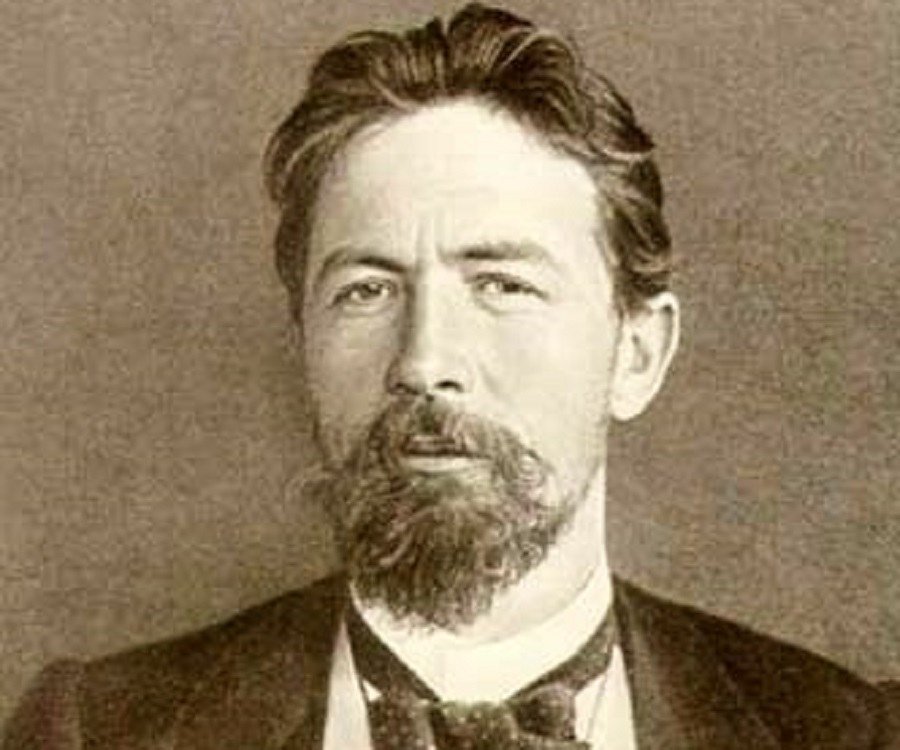
Brücke-Osteuropa · Public domain
Anton Pavlovich Chekhov was a Russian writer of plays and short stories, widely regarded as one of the greatest authors ever. He produced four classic plays, and his finest short stories are highly respected by critics and fellow writers. Alongside Henrik Ibsen and August Strindberg, Chekhov is seen as a key figure in the birth of early modernist theatre. He worked as a doctor, once saying, "Medicine is my lawful wife, and literature is my mistress."
After the poor reception of *The Seagull* in 1896, Chekhov gave up on theatre. But the play was revived successfully in 1898 by Konstantin Stanislavski's Moscow Art Theatre, which later staged *Uncle Vanya* and premiered his final two works, *Three Sisters* and *The Cherry Orchard*. These four plays challenge actors and audiences alike, replacing conventional action with a "theatre of mood" and a "submerged life in the text."
Chekhov started writing stories for money, but as his artistic ambitions grew, he made formal innovations that shaped the modern short story. He believed it was not a writer's duty to solve problems, only to state them correctly.
Chekhov was born on 29 January 1860 in Taganrog, a port on the Sea of Azov, on what was then Police Street. He was the third of six surviving children, with older brothers Alexander and Nikolai, and younger siblings Ivan, Maria, and Mikhail. His father, Pavel Yegorovich Chekhov, was the son of a former serf, ran a grocery store, directed a parish choir, was a devout Orthodox Christian, and was physically abusive. Some historians see Pavel as the model for his son's many portraits of hypocrisy. Chekhov’s mother, Yevgeniya, was a gifted storyteller who shared tales of her travels with her cloth-merchant father. Chekhov said, "Our talents we got from our father, but our soul from our mother."
Young Chekhov attended the Greek School and the Taganrog Boys Gymnasium, where he was held back a year at fifteen for failing Ancient Greek. He sang in his father’s choirs and at a Greek Orthodox monastery. In a letter, he described his childhood as "suffering," recalling how he and his brothers felt like "little convicts" singing in church. Later, he criticized his brother Alexander for his own tyranny, reminding him of their father’s despotism and how it "mutilated our childhood."
In 1876, Pavel Chekhov went bankrupt after being cheated by a contractor and fled to Moscow t
- born
- 29 January [O.S. 17 January] 1860
- died
- 15 July [O.S. 2 July] 1904
- field
- Playwright, short story writer, physician
- nationality
- Russian
- known_for
- Four classic plays (The Seagull, Uncle Vanya, Three Sisters, The Cherry Orchard); innovations in the modern short story; theatre of mood
Lore & Background
Anton Chekhov was born in Taganrog, a commercial port city on the Sea of Azov, the third of six surviving children. His father, Pavel Yegorovich Chekhov, ran a grocery store and was a physically abusive parent; his mother, Yevgeniya, was an excellent storyteller. Chekhov attended the Greek School and the Taganrog Boys Gymnasium, where he was held back a year for failing Ancient Greek. After his father's bankruptcy in 1876, the family fled to Moscow, leaving Chekhov behind to sell possessions and finish his education. He supported himself through tutoring, selling goldfinches, and writing short sketches for newspapers. He later moved to Moscow, gained admission to medical school, and qualified as a physician in 1884.
Chekhov began writing humorous sketches under pseudonyms such as 'Antosha Chekhonte' to support his family. His early work earned him a reputation as a satirical chronicler of Russian street life. In 1886, he was invited to write for Novoye Vremya, and the celebrated writer Dmitry Grigorovich encouraged him to focus on literary quality. Chekhov's collection At Dusk won the Pushkin Prize in 1888. His novella 'The Steppe' marked a significant advance in his mature fiction. He renounced the theatre after the poor reception of The Seagull in 1896, but the play was revived successfully in 1898 by Konstantin Stanislavski's Moscow Art Theatre, which later produced Uncle Vanya and premiered Three Sisters and The Cherry Orchard.
Reader's Guide
Chekhov's significance lies in his transformation of both drama and the short story. In theatre, his four major plays—The Seagull, Uncle Vanya, Three Sisters, and The Cherry Orchard—rejected conventional action in favor of a 'theatre of mood' and a 'submerged life in the text,' presenting challenges to actors and audiences alike. Alongside Henrik Ibsen and August Strindberg, he is considered a seminal figure in early modernism. In short fiction, his formal innovations influenced the evolution of the modern short story; he believed it was not the writer's duty to solve problems but to correctly state them. Despite his literary fame, Chekhov remained a physician, once saying, 'Medicine is my lawful wife, and literature is my mistress.' His works continue to be studied and performed worldwide for their psychological depth and subtlety.
Did You Know?
- Chekhov was a physician by profession and treated the poor free of charge.
- He renounced the theatre after the reception of The Seagull in 1896, but it was revived to acclaim in 1898 by Konstantin Stanislavski's Moscow Art Theatre.
- Chekhov wrote under pseudonyms such as 'Antosha Chekhonte' and 'Man Without Spleen.'
- His father Pavel has been seen by some historians as the model for his son's many portraits of hypocrisy.
The Physician Who Wrote for Survival
Chekhov framed his dual vocation with a wry domestic metaphor: medicine was his lawful wife, literature his mistress. He qualified as a physician in 1884 and regarded it as his principal profession, yet earned little from it and treated the poor without charge. The real financial engine was his pen. After his father's bankruptcy in 1876 scattered the family, young Anton was left in Taganrog to sell off their possessions and fund his own schooling. He supplemented his income through private tutoring, catching and selling goldfinches, and selling short sketches to newspapers. Once in Moscow, he assumed responsibility for the entire household, producing daily humorous vignettes under pseudonyms like Antosha Chekhonte and Man Without Spleen. By 1882 he was a regular contributor to Oskolki, a leading periodical. His early tone was sharper and more satirical than the measured prose of his mature period. Even as his coughing worsened into visible blood in 1884 and 1886, he concealed his tuberculosis from family and friends, fearing the judgment of medical colleagues, while continuing to write his way into progressively better accommodations for his mother and siblings.
A Childhood Marked by Despotism and Debt
Pavel Yegorovich Chekhov, a devout Orthodox Christian and parish choir director, was also, by his son's later account, a physically abusive and tyrannical figure. Anton recalled his father throwing tantrums over too much salt in the soup and calling his mother a fool. The brothers, singing trios in the church, felt like little convicts while onlookers envied their parents. In 1876, Pavel's overextension in building a new house, compounded by being cheated by a contractor, led to bankruptcy. He fled to Moscow to escape debtor's prison, taking his wife and two eldest sons. Anton, fifteen and held back a year for failing Ancient Greek, was left behind in Taganrog to liquidate the family's assets and finish school. He boarded with a man named Selivanov, who had bailed out the family for the price of their house, a figure Chekhov would later echo in the character of Lopakhin. He sent every spare ruble to Moscow along with humorous letters. His mother, Yevgeniya, had been the family's storyteller, and Anton credited her with giving them their soul, while their talents came from their father.
The Seagull and the Birth of a New Theatre
When The Seagull premiered in 1896, the reception was so poor that Chekhov renounced the stage entirely. He did not expect that Konstantin Stanislavski's Moscow Art Theatre would resurrect the play in 1898 to widespread acclaim, and then go on to produce Uncle Vanya and premiere his final two works, Three Sisters and The Cherry Orchard. Together these four plays constitute a body of theatrical writing that defies conventional dramatic structure. Rather than driving plots through conflict and resolution, Chekhov constructed what might be called a theatre of mood, embedding a submerged life in the text that resists easy interpretation. The result is a profound challenge: actors must find meaning in silence and inaction, and audiences must accept that nothing in the traditional sense happens while everything, emotionally, is in motion. This approach, alongside the work of Ibsen and Strindberg, helped establish the foundations of early modernism in the theatre, shifting the art form away from didactic narrative toward the rendering of psychological and atmospheric truth.
Stating Problems, Not Solving Them
Chekhov's artistic philosophy was deceptively simple: a writer's duty is not to solve problems but to state them correctly. This principle guided his evolution from the harsh, satirical sketches of his early career into formal innovations that reshaped the modern short story. His reading was wide and analytical, spanning Cervantes, Turgenev, Goncharov, and Schopenhauer, and his early comic drama, Fatherless, was dismissed by his brother Alexander as an inexcusable though innocent fabrication. Yet the trajectory was clear. By the time he was writing for Oskolki and other periodicals, his tone had already begun to soften from pure caricature toward something more observant and humane. His mature fiction, held in high esteem by writers and critics alike, reflects a craftsman who understood that the most powerful storytelling does not lecture or resolve but presents a situation with such precision that the reader must supply the meaning. This restraint, combined with his insistence on emotional truth over plot mechanics, cemented his reputation as one of the greatest writers of all time and a seminal figure in the birth of literary modernism.
Gallery
Frequently Asked Questions
Who is Anton Chekhov?
Anton Pavlovich Chekhov (1860–1904) was a Russian playwright, short story writer, and practicing physician, now broadly considered one of the most accomplished literary figures in world literature. He is best known for four landmark plays and for reshaping the modern short story.
What are Anton Chekhov's most famous works?
His four major plays are The Seagull, Uncle Vanya, Three Sisters, and The Cherry Orchard. His short fiction is equally revered, with critics and fellow writers frequently citing it as the high-water mark of the form.
Why is Anton Chekhov important to modern theatre?
Together with Ibsen and Strindberg, he is regarded as a founding force behind early modernist drama, especially through his so-called 'theatre of mood,' which prioritized atmosphere and subtext over conventional plot conflict. His techniques still shape how playwrights approach character and silence on stage.
Did Anton Chekhov actually practice medicine?
Yes—he held a medical degree and treated patients throughout his adult life, famously quipping that medicine was his 'lawful wife' while literature was his 'mistress.' He balanced both careers simultaneously rather than abandoning one for the other.
What happened after The Seagull's disastrous 1896 premiere?
The original production was so panned that Chekhov essentially walked away from writing for the stage. Konstantin Stanislavski's 1898 revival at the Moscow Art Theatre, however, recontextualized the play as a masterpiece and became a turning point in theatrical history.
More in Russian And Soviet Writers 1-22
Spotted an error? Know more?
This is a living reference — every entry is fact-audited, and reader corrections feed straight into our audit queue. Suggest an edit · See this site's audit record