
Aleksey Remizov
Russian modernist writer of fantastic and bizarre works.

shakko · CC BY-SA 4.0
Aleksey Mikhailovich Remizov was a Russian modernist writer known for his fantastic and bizarre imagination. He was also an expert calligrapher who sought to revive this visual art in Russia.
- born
- 6 July [O.S. 24 June] 1877, Moscow
- died
- 26 November 1957, Paris
- field
- Literature, calligraphy
- nationality
- Russian
- known_for
- Modernist prose, experimental skaz techniques, fantastic and bizarre themes
Lore & Background
Remizov was reared in the merchant milieu of Moscow. As a student at Moscow University, he was involved in radical politics and was arrested in November 1896, spending about six years in exile from 1897 to 1903. During that time, he developed a keen interest in Russian folklore. In 1903, he married Serafima Pavlovna Dovgello, a philologist and folklorist, who brought him into contact with broader artistic circles, including the Roerichs. After his release from exile in 1903, he moved to Saint Petersburg in 1905 and began imitating medieval folk tales, aiming to capture 'the bitterness and absurdity of folklore imagination.' His whimsical stylizations of saints' lives were initially ignored, but his more traditional prose works set in the Russian urban underworld gained him publicity.
Reader's Guide
Remizov is significant as one of the most famous Russian modernist writers, alongside Andrei Bely. He became known for his experimental skaz techniques and 'underground Dostoevskianism.' His works influenced Yevgeny Zamyatin, Aleksey Nikolayevich Tolstoy, and Mikhail Prishvin. He was the first Russian modernist author to attract the attention of Parisian literary luminaries such as James Joyce. His reputation suffered after World War II when he announced interest in returning to the Soviet Union and obtained a Soviet passport, leading to his being abhorred by émigré writers, including Vladimir Nabokov. Despite prolific output, many of his works failed to find a publisher, with no books published from 1931 to 1952. A number of his books were published from 1952 to 1957, though in very limited copies.
Did You Know?
- Remizov was arrested in November 1896 and spent about six years in exile from 1897 to 1903 for involvement in radical politics as a student.
- He was an expert calligrapher who sought to revive this visual art in Russia.
- From 1931 to 1952, Remizov published several works in émigré journals and small presses, such as 'Olya' (1931) and 'V rozovom bleske' (1952), though major book publications were rare.
Roots in Exile and Folklore
Aleksey Remizov entered the world in Moscow in 1877, raised within the merchant class of the capital. His university years at Moscow University drew him into radical political circles, a path that would cost him dearly: eight years behind bars and in Siberian exile shaped the young man more profoundly than any classroom could. It was during those years of confinement that a deep fascination with Russian folklore took hold, and he also married a woman whose academic focus on ancient Russian art opened doors to the Roerich circle. After settling in Saint Petersburg in 1905, Remizov turned his creative energies toward imitating the cadences and structures of medieval folk tales. His stated goal was to capture what he described as the bitter absurdity embedded in folk imagination. This early period also saw him producing whimsical retellings of saints' lives, works that were initially dismissed for their ornate, heavy-handed prose, while his more grounded stories about the shadowy underbelly of Russian urban life drew considerably wider public attention.
A Universe of Demons and Medieval Echoes
Remizov's fiction inhabited a world where the boundary between the sacred and the grotesque dissolved entirely. His satirical novella depicting the superstitions and eccentricities of rural sectarians, first published in 1910 and revised in 1922, remains one of his most recognized works. Equally striking is his Gothic short story in which a spectral doppelgänger of a father murders his own innocent daughter, convinced she is nothing more than a chicken. By the time of the Revolution, his interests had shifted toward reworking obscure medieval Russian texts, and he answered the upheaval with a paraphrase of a thirteenth-century lament over the Mongol invasion. In exile, his imagination grew even stranger: demons, nightmare creatures, and elaborate dream narratives featuring literary giants like Gogol and Dostoyevsky populated his pages. Despite extraordinary prolificacy, a long drought from 1931 to 1952 left him without a single published book, a silence that speaks to how difficult his idiosyncratic voice was to place in the commercial literary market.
Paris, the Émigré World, and a Bitter End
Remizov left Russia in 1921 for Berlin and followed to Paris in 1923, where he would remain until his death in November 1957. In the French capital he became the first Russian modernist writer to command the attention of the city's literary aristocracy, earning the notice of James Joyce among others. He also published a reflective account of his relationship to the Revolution. Yet his later years were marked by a painful rupture with the émigré community. After World War II, Remizov expressed a desire to return to the Soviet Union and even secured a Soviet passport, though he never had the opportunity to use it. This single act of political signaling turned former admirers against him. The émigré literary establishment, most memorably Vladimir Nabokov, came to regard him with open contempt, Nabokov quipping that the only redeeming quality of Remizov was that he genuinely lived inside the world of literature. A modest revival of publications between 1952 and 1957, printed in very small runs, offered only a partial consolation before his death.
Critical Legacy and the Question of Influence
Alongside Andrei Bely, Remizov stands as one of the towering figures of Russian modernism, distinguished by his experimental use of skaz narrative technique and what critics have termed an underground Dostoevskianism. The critic D. S. Mirsky identified his influence on a generation of writers including Yevgeny Zamyatin, Aleksey Nikolayevich Tolstoy, and Mikhail Prishvin. Fellow author Fyodor Sologub offered a penetrating comparative assessment: where Sologub constructed his bizarre tales according to a rigid, premeditated architecture, Remizov would sketch only five or six characters and then let them speak and act with chaotic, delusional freedom, the author intervening only to weave in spells and prayers. Sologub acknowledged that Remizov's prose was abrupt, repetitive, and deliberately confusing, yet possessed a peculiar charm capable of evoking horror, disgust, and the nightmarish dreams of childhood fevers. Beyond the written word, Remizov was also a skilled calligrapher who devoted energy to reviving this visual art form in Russia, a dimension of his creative life that underscores his commitment to the materiality of language.
Gallery
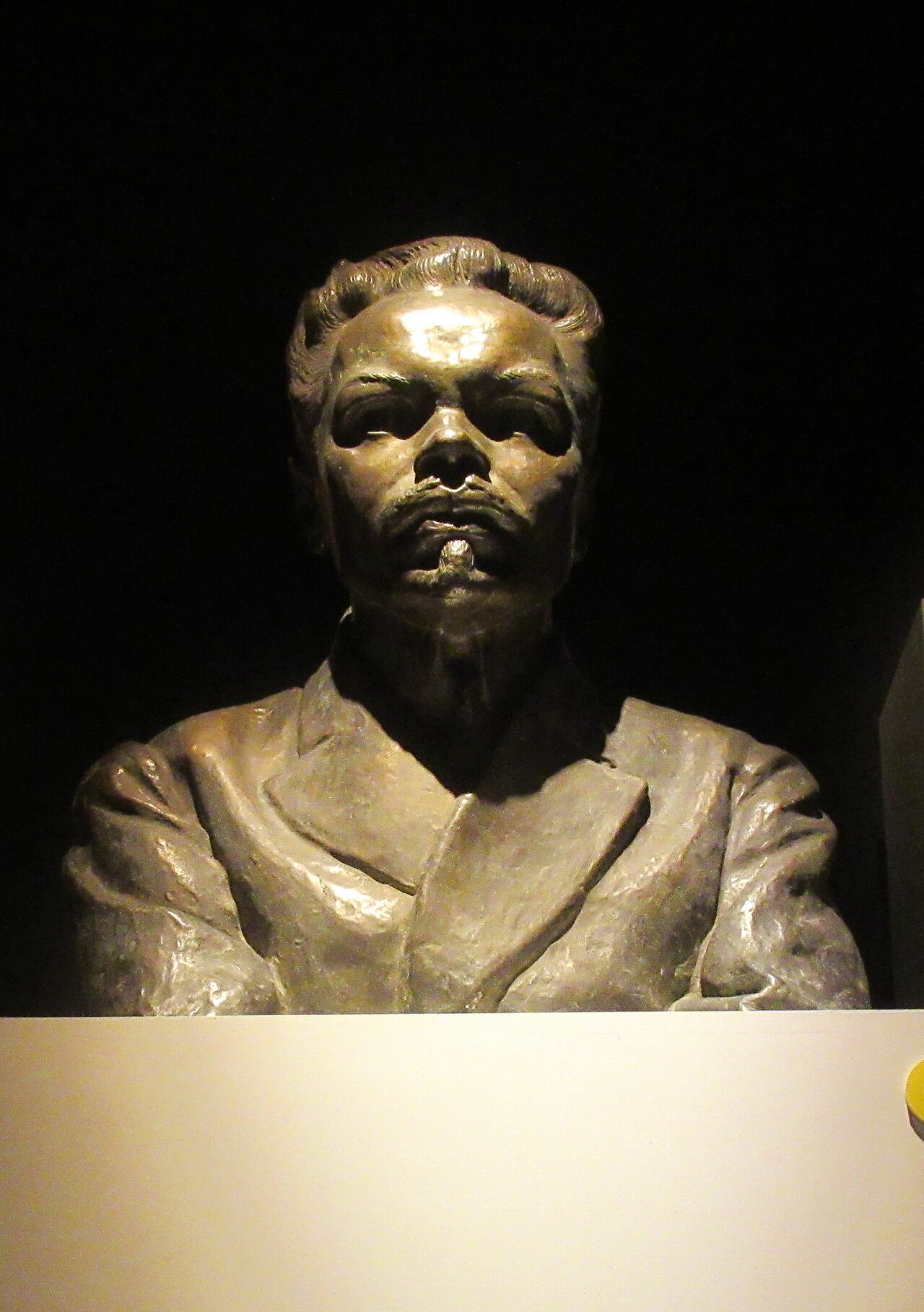
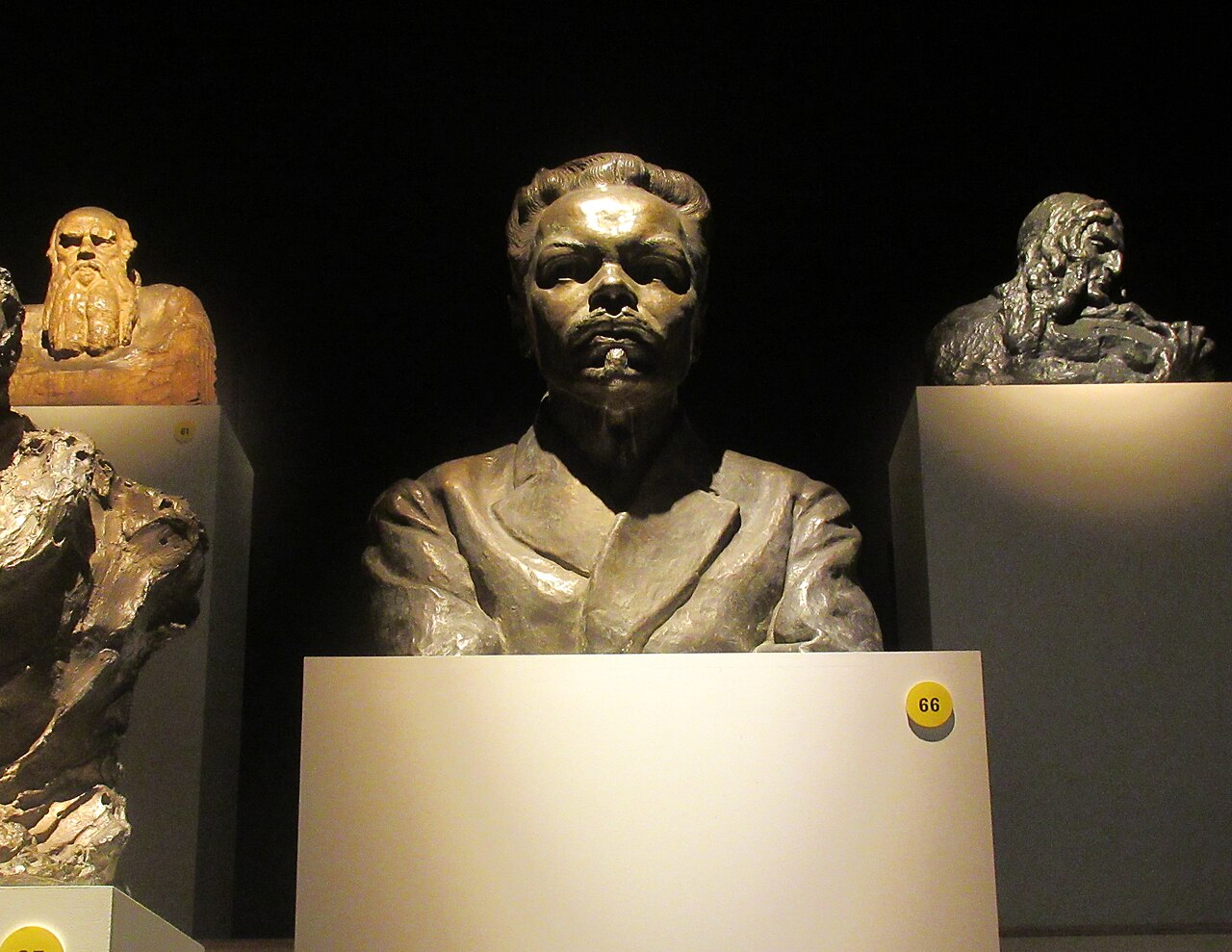
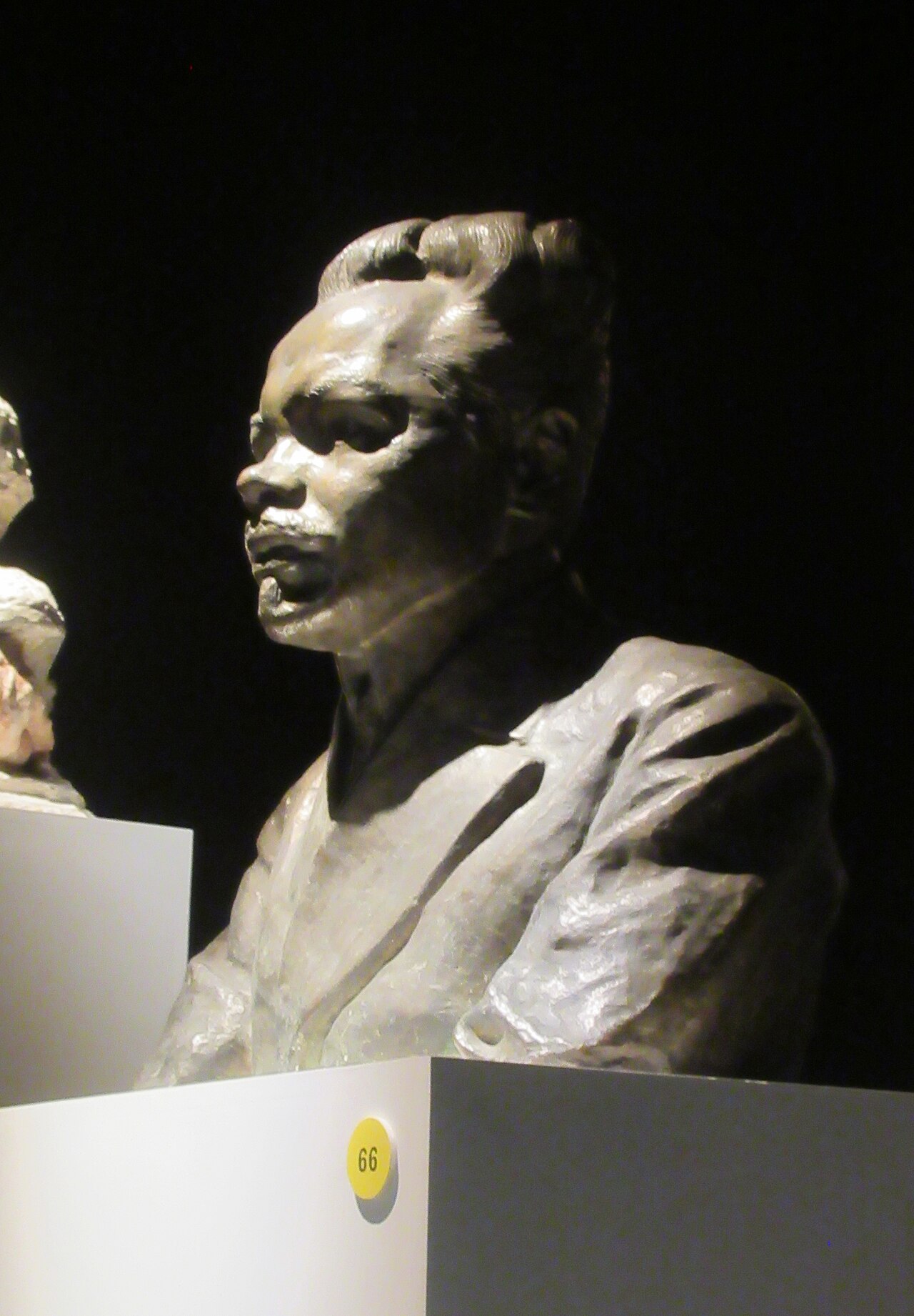
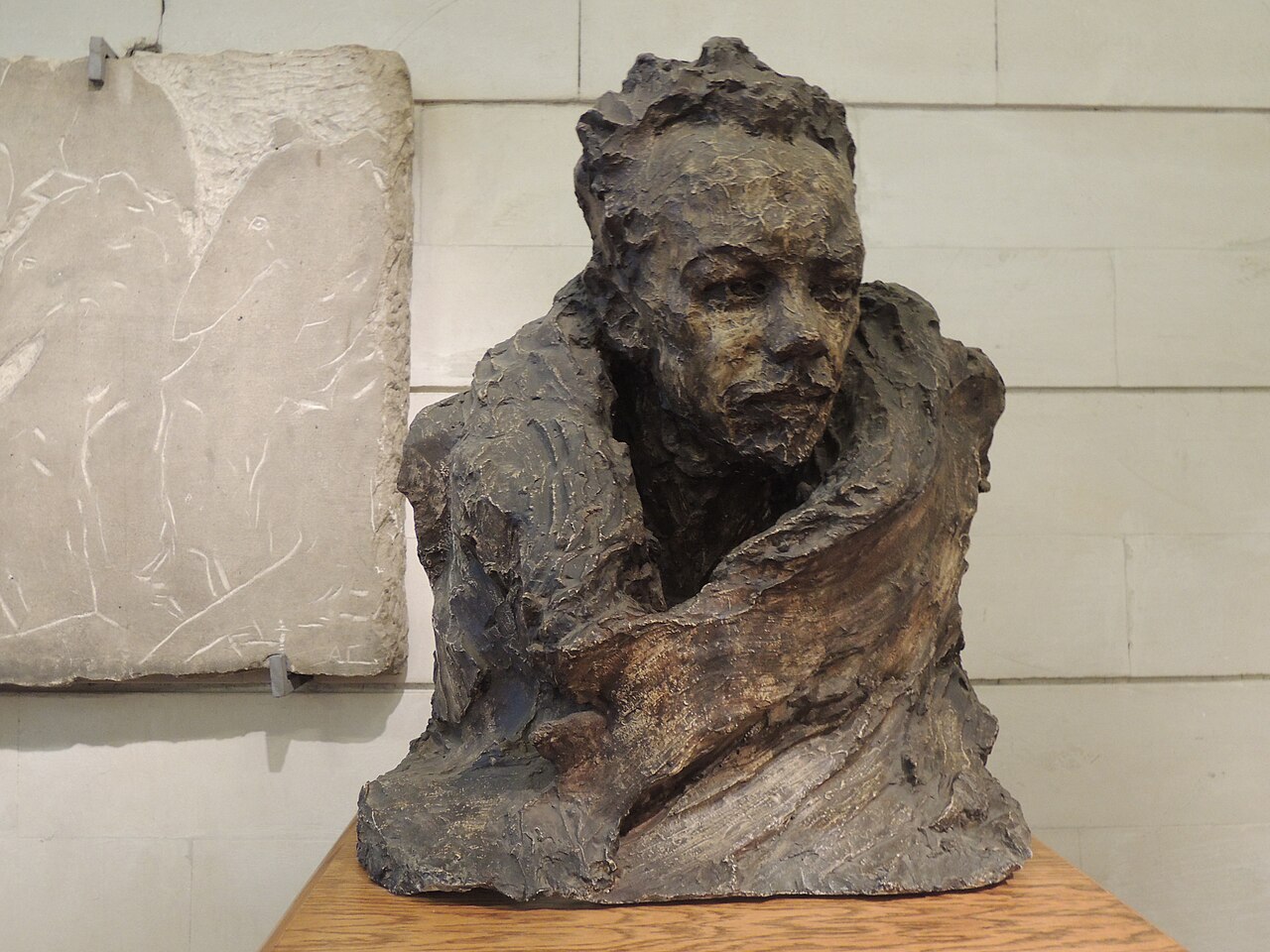
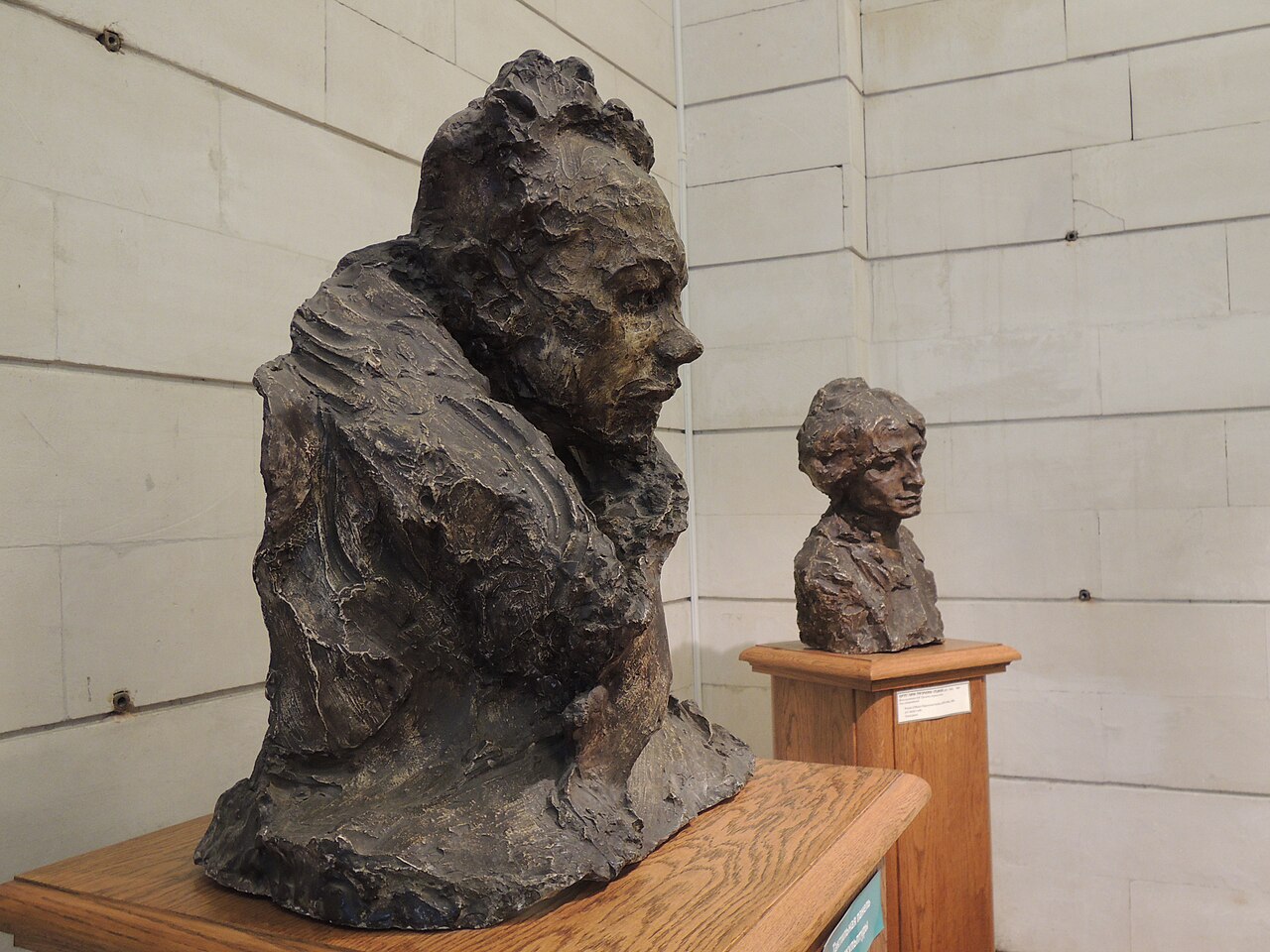
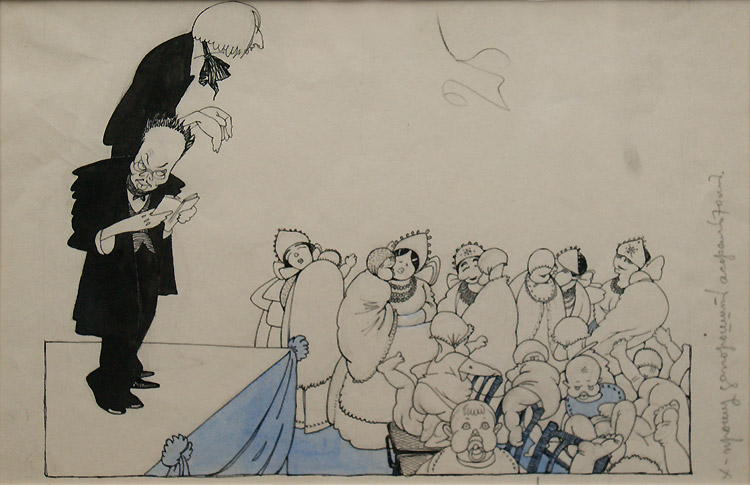
Frequently Asked Questions
Who is Aleksey Remizov?
Aleksey Mikhailovich Remizov (1877–1957) was a Russian modernist prose writer celebrated for his wildly imaginative, fantastic, and often bizarre short stories. Born in Moscow, he spent his final years in exile and died in Paris in November 1957.
What makes Remizov's writing style distinctive?
His prose is built around experimental skaz techniques, a narrative voice that mimics oral storytelling with its own rhythm and idiosyncratic logic. This approach lets him construct dreamlike, surreal worlds that feel simultaneously folk-tale and avant-garde.
Did Remizov work in any field outside of literature?
Yes—Remizov was also a skilled calligrapher who actively campaigned to revive hand-lettering as a visual art in Russia. His fascination with the visual shape of letters deeply influenced the way he treated language in his fiction.
What is 'skaz' and why is Remizov so closely linked to it?
Skaz is a narrative mode that imitates a living speaker's voice, complete with its quirks, digressions, and emotional texture. Remizov pushed this technique to its limits, using it to let a narrator's consciousness warp reality into something fantastical and strange.
Why is Aleksey Remizov considered important in Russian literary history?
He is seen as a key figure bridging Silver Age modernism and later experimental prose, demonstrating that short fiction could sustain radical linguistic and structural play. His voice-driven, non-linear storytelling influenced subsequent generations of Russian and Soviet writers exploring similar territory.
More in Russian And Soviet Writers 1-22
Spotted an error? Know more?
This is a living reference — every entry is fact-audited, and reader corrections feed straight into our audit queue. Suggest an edit · See this site's audit record